
For decades, natural gas was a “local” commodity. If you didn’t have a physical pipeline connecting Point A to Point B, you didn’t have gas.
That changed with the rise of LNG (Liquefied Natural Gas). Today, LNG acts as a global energy bridge, but as the market grows, it is becoming increasingly complex to manage. To lead in this space, companies must shift from simply moving fuel to mastering digital logistics.
What exactly is LNG?
At its core, LNG forms when producers cool natural gas (methane) to −162°C (−260°F)
Generally, when you cool gas to this temperature, it becomes a clear, non-toxic liquid. The magic of this process is volume: as a liquid, the gas occupies 600 times less space than it does in its gaseous state. This shrinkage is what makes it economical to load onto insulated tankers and ship it across oceans.
The LNG value chain is broken into three stages:
- Upstream and liquefaction: gas is produced, cleaned of impurities, and frozen into liquid at a liquefaction terminal.
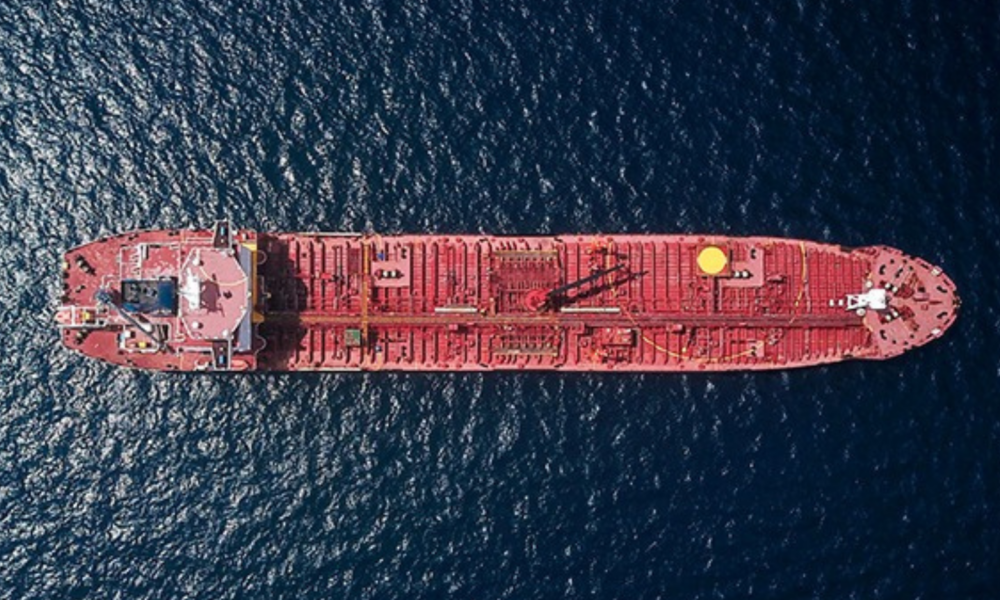
- The midstream “Voyage”: The liquid is loaded onto specialised carriers. Because the liquid is constantly trying to warm up, a small amount evaporates during the trip (known as boil-off gas), which is often used to fuel the ship itself.
- Downstream and regasification: Once it reaches its destination, the liquid is warmed up, turned back into gas, and injected into local pipeline networks.
From molecules to metadata
Historically, companies traded LNG through rigid 20-year contracts. If you were a buyer, you knew exactly where your gas was coming from and where it was going.
The new era is different. Today’s market revolves around portfolio players and spot trading. A cargo leaving the U.S. Gulf Coast might change owners three times while at sea, or shipping companies might divert it from Asia to Europe mid-voyage to chase better prices.
This flexibility is great for profits, but a nightmare for operations. When a cargo moves, a mountain of data moves with it: nominations, port schedules, heating values, and financial hedges. The leaders of tomorrow aren’t just those with the biggest ships; they are those with the best data integration.
How Energy One bridges the gap
This is where the physical world of shipping meets the digital world of trading. At Energy One, we recognise that the biggest risk in LNG isn’t the price of gas, it’s the operational friction of managing it.
- Software excellence: at the heart of a successful LNG strategy is egssPort Gas, our dedicated SaaS solution used by over 40 gas operations teams across the UK and Europe. It removes the complexity of cross-border logistics.. By automating routine nominations and balancing, egssPort only alerts your dispatchers when it detects an exception, such as an imbalance or a mismatch. Ensuring your operations remain lean, compliant and error-free.
- 24/7 Operational Support: LNG doesn’t sleep, and neither do we. We provide outsourced, “follow-the-sun” operations to manage nominations and logistics on behalf of global energy desks, ensuring that gas flows smoothly through European and global grids every hour of the day. By leveraging our global presence, we act as a seamless extension of your team, handling the critical “night shift” and weekend windows when market volatility often peaks. This around-the-clock coverage mitigates the risk of costly imbalances and ensures that your scheduling remains compliant with TSO requirements, regardless of time zone.
LNG has successfully unlocked natural gas from the ground, but it has also unlocked a new level of administrative complexity. To thrive, energy companies must move away from manual spreadsheets and embrace automated, integrated solutions.