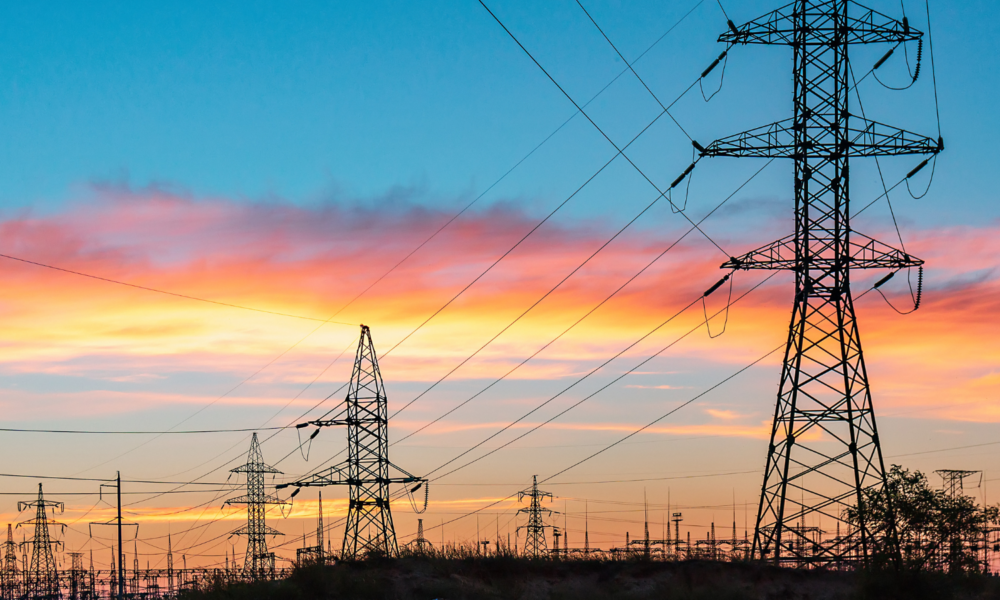

European gas and power markets continue to evolve into increasingly complex, fast-moving environments. Rising volatility, tighter infrastructure constraints and the rapid growth of intermittent renewables have reshaped the daily reality for short term traders, schedulers and portfolio managers. One of the most challenging consequences of this shift is the growing frequency and severity of congestion events. Both in the electricity grid and in gas transmission systems.
To remain competitive, traders must operate with absolute clarity on physical constraints, real time TSO signals and the commercial exposures tied to balancing and nominations. This is where a unified operational view becomes essential.
The ripple effect of congestion
When transmission or pipeline constraints occur, traders must adjust physical flows, rebalance positions or redispatch generation. These actions introduce:
- Intraday price shocks and volatility spikes
- Rapid divergence between modelled and actual positions
- Spreads widening between neighbouring zones
- Greater balancing exposure due to sudden shifts in system conditions
As European markets continue moving toward more granular congestion pricing, including locational signals and emerging day ahead congestion products, traders with fragmented or delayed data face significant operational and financial risk.
Gas trading: operational complexity amplified
Short term gas trading brings its own set of structural complexities:
- Entry/exit capacity restrictions that shift hourly
- Balancing group obligations tied to strict neutrality requirements
- Storage injection and withdrawal limits that reshape flexibility
- Weather‑driven demand that can change flow patterns dramatically
- Increased use of virtual trading points which require accurate physical‑to‑commercial reconciliation
As infrastructure bottlenecks persist and supply patterns change, short term traders face elevated congestion and balancing risk. Without automated processes, the likelihood of operational error grows exponentially.
Navigating TSO signals: a critical challenge
A major source of complexity is the stream of Transmission System Operator (TSO) messages, including:
- Redispatch instructions and curtailments
- Outage and capacity reduction notifications
- Allocation and renomination confirmations
- Within‑day balancing actions
These signals are delivered across multiple channels and formats, making timely interpretation difficult. When traders cannot instantly correlate TSO messages with live positions, the result is a dangerous visibility gap, one that can trigger imbalance charges, issed arbitrage flows or cascading nomination errors.
While European regulations require TSOs to compensate generators when non-market-based redispatch occurs, compensation does not remove the trader’s exposure. Redispatch payments typically cover only the physical adjustment of a unit’s output, not the commercial impacts on trading positions, imbalance settlement or lost market opportunities. In practice, redispatch can still disrupt carefully hedged books, create nomination misalignments and expose balance‑responsible parties to imbalance costs. This is why redispatch remains a material operational and financial risk for traders, even when the underlying asset is “made whole.”
The hidden cost of manual processes
In short term power and gas markets, precision is everything. Manual workflows create unacceptable risks:
- Incorrect nomination quantities
- Misaligned day-ahead, intraday or within‑day schedules
- Late submissions leading to imbalance penalties
- Operational delays reducing the ability to monetise spreads
Even highly experienced teams struggle to operate efficiently when relying on spreadsheets or fragmented systems, especially during congestion events or rapid TSO interventions.
Turning volatility into advantage
At Energy One, we design software specifically for the intricacies of European energy trading. Our platforms provide an integrated ecosystem that supports commercial decision making, real-time balancing and automated operations, ensuring traders stay ahead of market complexity.
How Energy One helps you thrive
- A strategic backbone for commercial decision support. Our ETRM systems unify power and gas positions across markets, giving traders a complete, real-time view of exposures before congestion events unfolds.
- Full lifecycle integration from trade capture to settlement. End-to-end support ensures data accuracy, seamless balancing and strong risk controls throughout the trading lifecycle.
- Automated TSO aligned nominations. Automated submission of gas and power nominations, real‑time validation and exception handling, Instant visibility of allocation and confirmation changes.
- Unifying physical and financial reality. Our systems bridge the gap between theoretical trading strategies and physical network constraints, empowering traders to anticipate congestion, react faster and validate operational feasibility instantly.
Congestion and balancing challenges in the European energy markets are not going away; they are accelerating. Traders need tools that remove manual friction, reduce operational risk, and deliver clarity in the face of volatility.
To meet these challenges head on, industry leaders rely on Energy One’s comprehensive suite of solutions as a one stop shop for unified energy operations. By integrating enTrader for robust ETRM and risk management with ez-Ops and egssPort for seamless gas and power short term operations, we close the gap between trade execution and physical delivery. eZ-Ops is a highly-regarded short-term market communication platform utilised by over 140 European energy market participants. For those focussed on gas shipping, egssPort is a purpose-built platform designed to handle the complexities of natural gas and LNG operations. It is used by over 50 gas operations teams across Europe.
For those navigating the UK’s specific regulatory landscape, our platform ensures reliable TSO communications, while our intelligent automation engine. enFlow is designed specifically for the needs of the energy industry to eliminate manual tasks. This integrated ecosystem is why the world’s most sophisticated trading desks trust Energy One to transform operational complexity into a distinct competitive advantage.